Table of Contents
- What Makes Sterling Silver Jewelry Tarnish
- Daily Wear Habits That Protect Sterling Silver Jewelry
- How to Clean Tarnished Sterling Silver at Home
- Distinguishing Tarnish From Actual Damage
- Best Storage for Sterling Silver Jewelry
- DIY vs. Commercial Cleaning Solutions
- When to Take Sterling Silver Jewelry to a Professional
- Conclusion
Last Updated: August 22, 2026
What Makes Sterling Silver Jewelry Tarnish
Sterling silver jewelry is a silver alloy composed of 92.5% pure silver and 7.5% other metals, typically copper, which is why you'll see "925" stamped on authentic pieces. That copper content makes the metal durable enough for daily wear, but it's also why tarnish happens.
Tarnish results from a chemical reaction between silver and sulfides in the air. Hydrogen sulfide, found naturally in the atmosphere and many everyday products, reacts with the silver surface to form silver sulfide, that dull, dark layer you see developing over time (peer-reviewed research). This oxidation is entirely normal and doesn't indicate low quality. Even the finest 925 sterling silver tarnishes.
At Barrels and Bourbon Trading Co, we hear this concern often: customers wonder whether their sterling silver and turquoise pieces are tarnishing because they bought something inferior. The answer is almost always no. The difference between a piece that stays bright for years and one that darkens in weeks comes down entirely to how you care for it.
Several factors speed up the tarnish process: high humidity and moisture exposure, contact with cosmetics and lotions, exposure to chlorine and saltwater, skin chemistry including sweat and natural oils, and contact with rubber and certain fabrics. Understanding what drives tarnish is the foundation of good preventative maintenance.
Daily Wear Habits That Protect Sterling Silver Jewelry
The biggest mistake most people make with sterling silver is treating it like a set-it-and-forget-it accessory. How you wear your jewelry matters just as much as how you store it.
Put your jewelry on last, after you've applied lotion, perfume, hair spray, and makeup. Cosmetics and lotions coat the metal surface and trap moisture against it, accelerating tarnish. Remove your sterling silver jewelry before swimming, showering, or doing dishes. Chlorine is particularly harsh and can weaken the metal over time; saltwater causes similar damage.
Does Sterling Silver Tarnish With Sweat
Yes, sweat accelerates tarnish on sterling silver jewelry. Sweat contains salts, acids, and sulfur compounds that react directly with the copper in the 925 alloy, speeding up oxidation (peer-reviewed research). People with more acidic skin chemistry or those who sweat heavily will notice tarnishing faster than others.
You can wear your silver while active, just rinse and dry pieces thoroughly afterward. Pat them dry with a microfiber or lint-free cloth rather than leaving them to air dry, since standing moisture accelerates the chemical reaction.
Chemicals and Products to Keep Away From Your Silver
Avoid contact with perfume and cologne, chlorine bleach, ammonia-based cleaners, rubber bands, hair spray and dry shampoo, sunscreen, and bug spray. All contain compounds that react with silver. The pattern is clear: anything you apply to your skin or hair before putting on your jewelry is a potential problem. Building the habit of jewelry-last, jewelry-first (when undressing) protects your pieces without extra effort.
How to Clean Tarnished Sterling Silver at Home
Cleaning tarnished sterling silver at home is straightforward when you use the right methods. The goal is to remove the silver sulfide layer without scratching the surface.
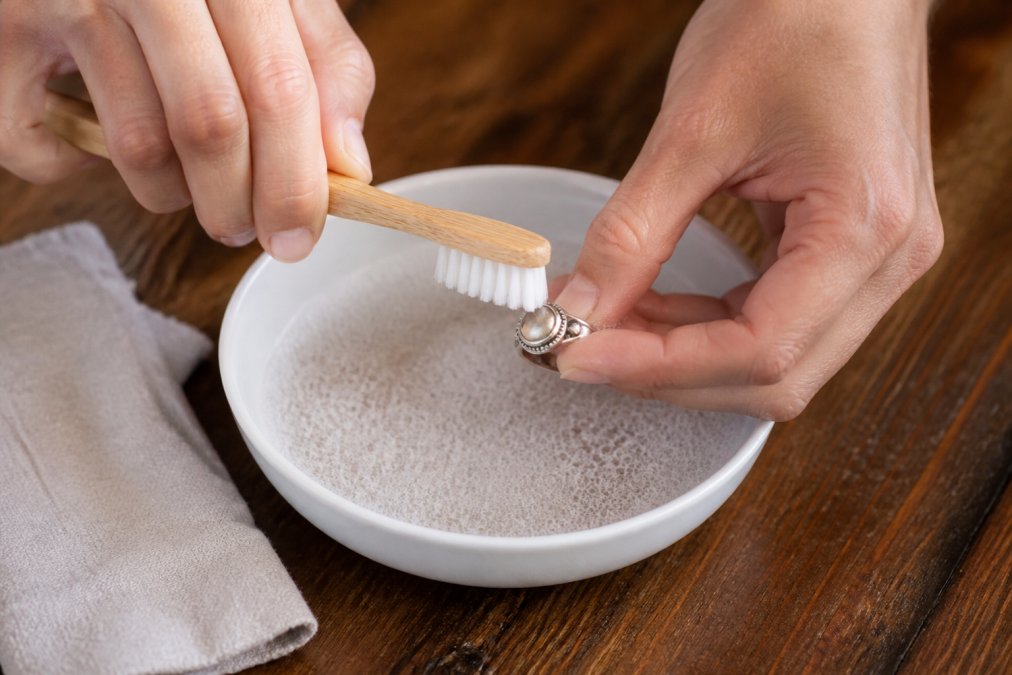
Mild Soap and Water Method
This is the safest and most reliable method for regular cleaning on lightly to moderately tarnished pieces.
What you need:
- A small bowl of warm (not hot) water
- A few drops of mild dish soap
- A soft-bristled toothbrush
- A lint-free cloth or microfiber cloth
Steps:
- Mix a few drops of mild dish soap into warm water
- Place the silver piece in the solution and let it soak for 2-3 minutes
- Use the soft-bristled toothbrush to gently scrub the surface, working into grooves or details
- Rinse thoroughly under clean running water
- Pat completely dry with a lint-free cloth immediately; never let silver air dry
- Buff gently with the dry cloth to restore shine
Do not submerge pieces with glued-in stones, as water can weaken adhesives. For pieces with secure prong or bezel settings, this method is generally safe.
Polishing Cloth and Buffing Techniques
A polishing cloth is the fastest tool for light tarnish and ongoing maintenance. Use light, back-and-forth strokes rather than circular motions, which can create swirl marks. Work in one direction along the length of the piece, applying gentle pressure. For textured or stamped details, use the corner of the cloth rather than pressing the whole surface flat.
Replace polishing cloths once they turn dark gray or black from tarnish transfer. Reusing a heavily soiled cloth redistributes tarnish rather than removes it.
Safe Cleaning for Silver Jewelry With Gemstones
Silver jewelry set with gemstones requires extra care. The soap-and-water method is generally safe for hard stones like turquoise, but the approach needs adjustment.
For turquoise specifically:
Turquoise is porous and absorbs liquids, oils, and cleaning solutions, which can alter its color permanently (usgs.gov). Never submerge turquoise in any cleaning solution. Instead, use a barely damp cloth to wipe the silver setting, keeping the stone as dry as possible. Avoid ultrasonic cleaners entirely for any jewelry with gemstones, as vibrations can loosen settings and crack stones.
Quick reference for common stones:
| Stone | Safe for Water? | Safe for Soap? | Avoid |
|---|---|---|---|
| Turquoise | No (porous) | No | Soaking, chemicals |
| Coral | No (organic) | No | Any liquid cleaner |
| Opal | No (water-sensitive) | No | Soaking, heat |
| Onyx | Brief rinse only | Mild only | Prolonged soaking |
| Garnet | Yes | Yes | Ultrasonic cleaners |
| Topaz | Yes | Yes | Steam cleaners |
For any piece where you're uncertain about the stone's sensitivity, a dry polishing cloth on the silver setting is always the safest starting point.
Distinguishing Tarnish From Actual Damage
Tarnish and damage look different. Tarnish is a surface-level discoloration, typically yellow, brown, or black, that develops uniformly across the silver with a dull, matte appearance. It's reversible through cleaning and polishing.
Damage is structural. Signs that go beyond tarnish include pitting (small craters caused by chlorine or harsh chemicals), deep scratches that don't polish out, cracks or breaks around prongs or clasps, green discoloration on skin (indicating copper oxidation or plating wear-through), and loose stones.
Best Storage for Sterling Silver Jewelry
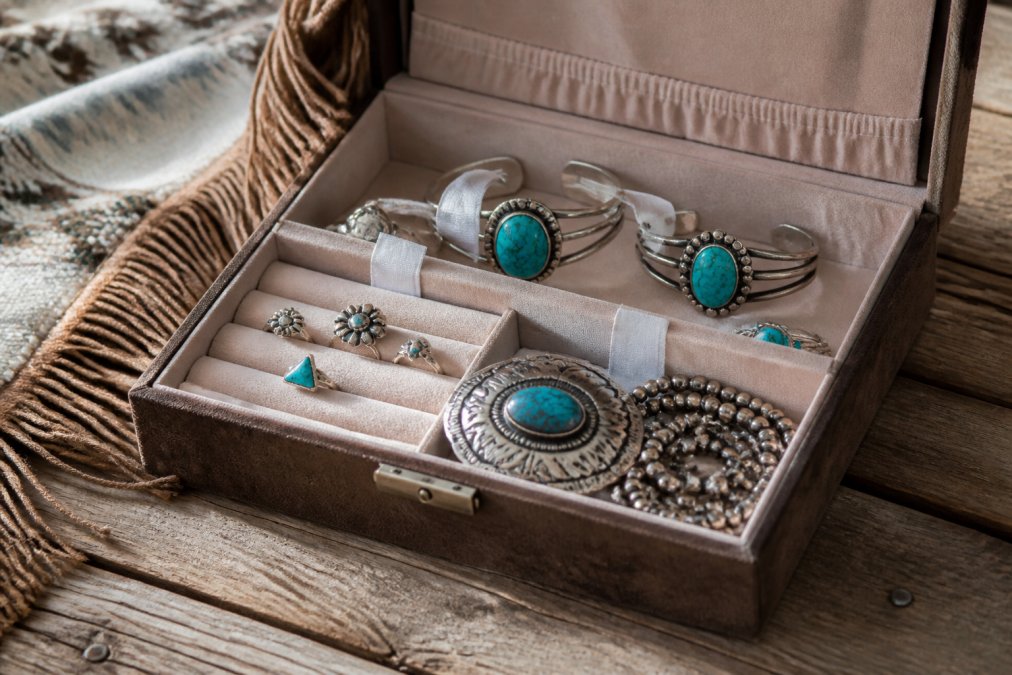
Proper storage minimizes exposure to air, moisture, and humidity. An airtight container is the gold standard for pieces you don't wear frequently. Zip-lock bags work well, squeeze out as much air as possible before sealing. Adding an anti-tarnish strip inside the bag or jewelry box significantly extends the time between cleanings by absorbing sulfur compounds in the air.
Store pieces individually when possible. Silver scratches against other metals and even other silver pieces, so keeping each item in its own pouch protects the surface. Store jewelry in a cool, dry location away from direct sunlight and humidity.
Storage Solutions for Travel
Traveling with sterling silver requires more planning. A few approaches work well: individual zip-lock bags with anti-tarnish strips, a small fabric-lined travel jewelry case with individual compartments, pill organizers for small pieces like rings and earrings, or original packaging if you kept it.
Keep jewelry in your carry-on rather than checked luggage. Temperature and humidity swings in cargo holds are more extreme, and the risk of loss or damage is higher.
DIY vs. Commercial Cleaning Solutions
The cleaning method you choose should match the level of tarnish you're dealing with.
DIY methods work well for light to moderate tarnish on plain silver pieces and regular maintenance cleaning between professional care.
The baking soda and aluminum foil method works through an electrochemical reaction that converts silver sulfide back to silver. Line a bowl with aluminum foil, add hot water and baking soda, and place your silver pieces so they touch the foil. This method is effective for moderately tarnished plain silver but should not be used on pieces with gemstones, as heat and chemical reaction can damage settings.
Commercial silver cleaners are appropriate for heavy tarnish when DIY methods aren't producing results. Always read the label before using any commercial cleaner on a piece with stones, as many are formulated for plain silver only.
The honest comparison:
| Method | Best For | Tarnish Level | Gemstone Safe? |
|---|---|---|---|
| Lint-free cloth buffing | Maintenance | Light | Yes |
| Mild soap and water | Regular cleaning | Light-moderate | Most hard stones |
| Baking soda + foil | Heavy tarnish | Moderate-heavy | Plain silver only |
| Commercial cleaner | Stubborn tarnish | Heavy | Check label |
| Professional cleaning | Severe or structural | Any | Yes |
Consistency beats intensity. A quick wipe-down after every wear prevents the heavy tarnish buildup that requires aggressive intervention.
When to Take Sterling Silver Jewelry to a Professional
Home care handles the majority of sterling silver maintenance, but some situations require a professional jeweler.
Take your pieces in when you notice loose or missing stones, broken clasps or findings, deep scratches or pitting, severe tarnish that won't respond to home methods, or bent or misshapen pieces. Professional cleaning is also worth scheduling periodically for pieces you wear frequently or that have sentimental value. A jeweler can inspect settings, check for wear on prongs, and clean areas difficult to reach at home.
A common mistake is waiting until something is visibly broken before seeing a jeweler. Preventative professional maintenance, even once a year for your most-worn pieces, extends the life of sterling silver jewelry significantly and catches small issues before they become expensive ones.
The Barrels and Bourbon Trading Co collection of sterling silver and turquoise pieces is designed to be worn and loved for years. That longevity depends on the care you give them between wears. The habits are simple, consistent cleaning, thoughtful storage, and knowing when to call in a professional, but the results are pieces that hold their beauty through years of ranch life, rodeos, and everything in between.
Frequently Asked Questions
Can you wear sterling silver in the shower?
It's best to take your sterling silver jewelry off before showering. Water alone won't ruin 925 sterling silver immediately, but soap, shampoo, and conditioner leave residue that accelerates tarnish and dulls the shine over time. Repeated exposure to moisture also speeds up the oxidation process. If you forget occasionally, dry the piece thoroughly with a lint-free cloth right away and store it in an airtight container once dry.
Is Dawn dish soap good for cleaning sterling silver?
Yes, a small drop of mild dish soap like Dawn mixed with warm water is one of the safest DIY cleaning methods for sterling silver jewelry. Use a soft-bristled toothbrush to gently work the solution into crevices, then rinse thoroughly and pat dry with a microfiber cloth. Avoid soaking the piece for extended periods, and never use this method on silver set with porous gemstones like turquoise, which can absorb water and detergent.
How do you store sterling silver to prevent tarnish?
Store each piece in an airtight container or a zip-seal bag with an anti-tarnish strip to slow down the oxidation that causes tarnish. Keep jewelry away from humidity, direct sunlight, and areas with strong chemical exposure like bathrooms. Wrapping individual pieces in a soft microfiber or lint-free cloth before storing prevents scratches. For travel, a small fabric-lined jewelry roll with individual compartments works well to protect pieces without taking up much space.
Will sterling silver tarnish if you wear it every day?
Wearing 925 sterling silver regularly actually helps slow tarnish because the natural oils from your skin can create a light protective layer and the constant polishing from clothing keeps the surface buffed. That said, daily exposure to sweat, lotions, hair spray, and chlorine will still cause oxidation over time. Wiping pieces down with a soft cloth after each wear and storing them properly overnight keeps them looking their best with minimal effort.
Sterling silver jewelry is an investment worth protecting, and the good news is that protecting it doesn't require much. The right storage, a lint-free cloth after every wear, and keeping your pieces away from harsh chemicals will handle most of the work. For the rest, the Barrels and Bourbon Trading Co team is here with a curated selection of authentic 925 sterling silver and turquoise pieces built to last. Browse our collection and find pieces worth caring for.
This article was written using GrandRanker